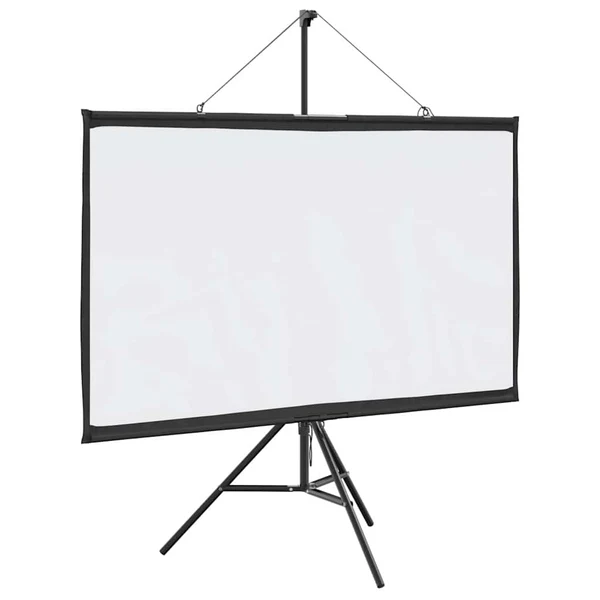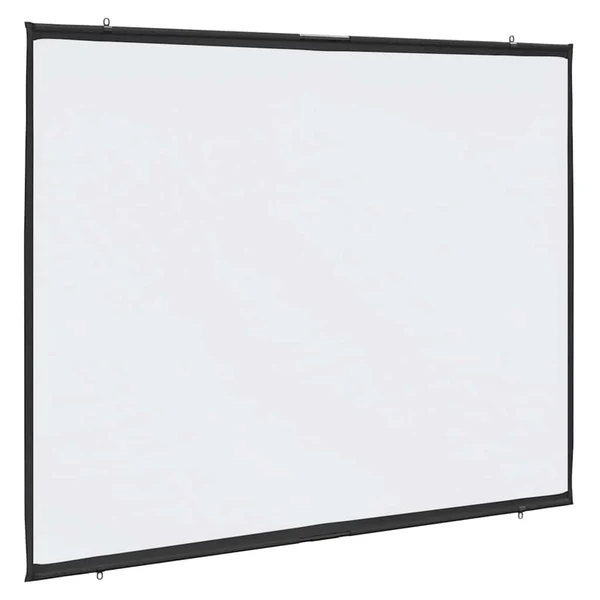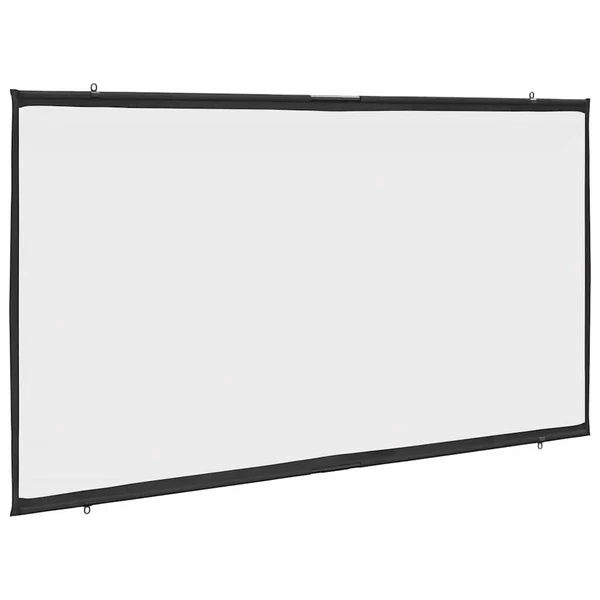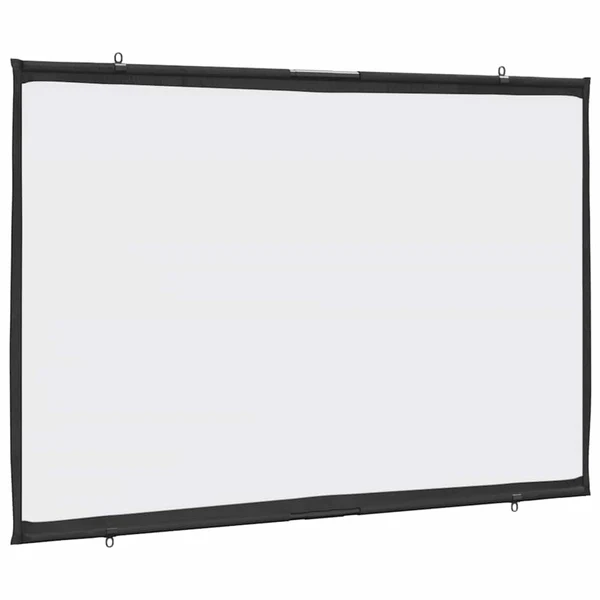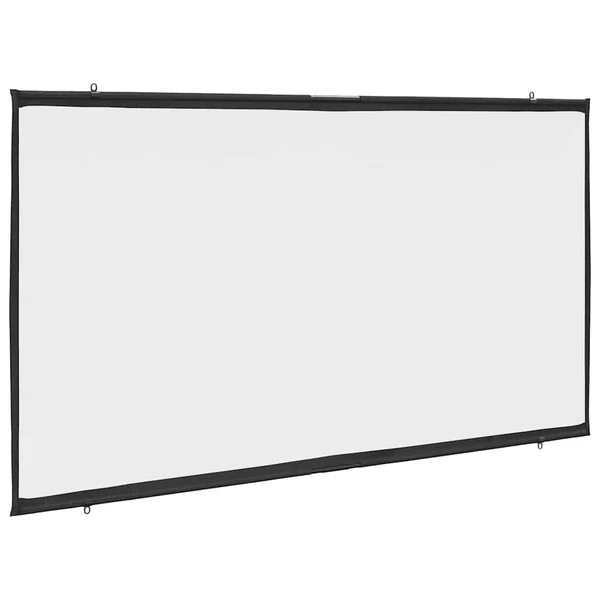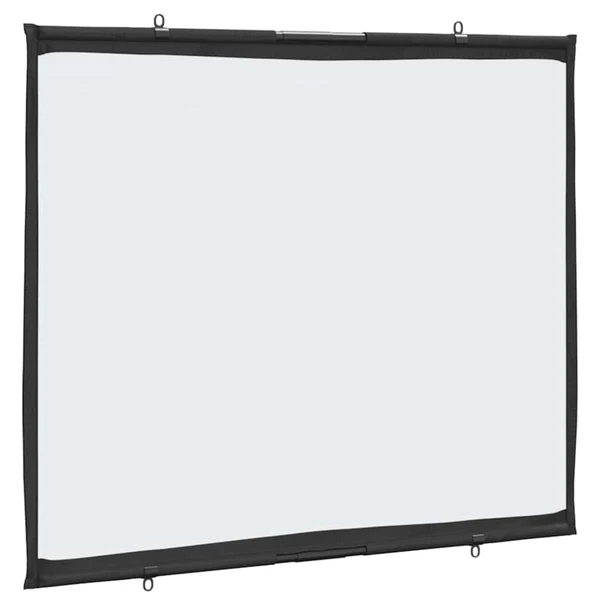
Wall-Hanging Projection Screens

A closer look at wall-hanging projection screens: what sets one option apart from another and what to check before deciding. If it has to work with something you already own, check that the two will fit together. Daily use calls for simple, sturdy construction; occasional use leaves more room for decorative detail.

Keep exploring

Other types to compare

Each one opens a related type, so you can compare across the family before you settle.

How to choose

  • Decide between a single item and a matching set before comparing options.
  • If this kind is not quite right, compare the alternatives: Motorised Projection Screens and Stand Projection Screens.
  • Check joins, seams, edges or fastenings for neat, even work.
  • Look at the finish: some surfaces show marks or wear more readily than others.

Frequently asked questions

When should I use a tripod stand instead of a wall TV mount?

Tripod stands work well for rented venues and rotating exhibitions, while wall brackets suit permanent retail signage.

How can I judge the build of wall-hanging projection screens?

To judge wall-hanging projection screens, look at joins, seams, edges or fastenings: neat, even work and a consistent finish are good signs of careful making.

How heavy should wall-hanging projection screens be?

The right weight for wall-hanging projection screens depends on use: lighter suits frequent handling, while heavier can feel steadier; check the stated weight where it is given.

What matters when replacing old wall-hanging projection screens?

When replacing wall-hanging projection screens, start from the measurements of what you had and keep what worked, changing only the material or detail that let you down.

What should I look for in the finish of wall-hanging projection screens?

In wall-hanging projection screens, look for an even, consistent finish without rough patches, and consider how readily the surface shows marks or wear.